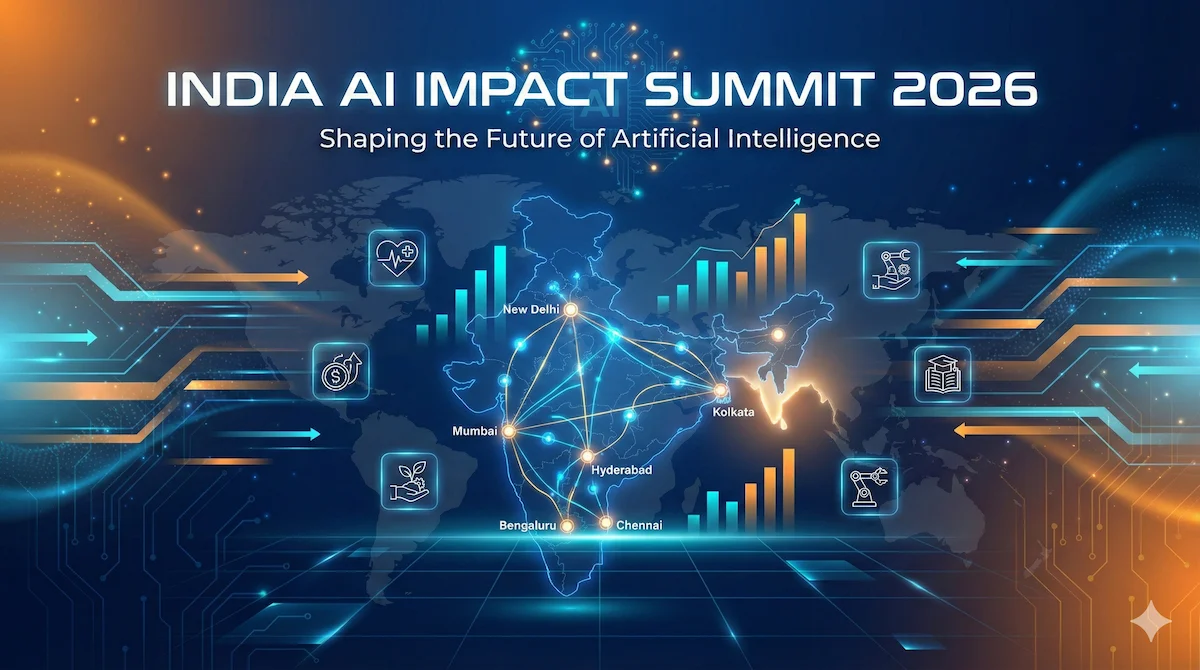
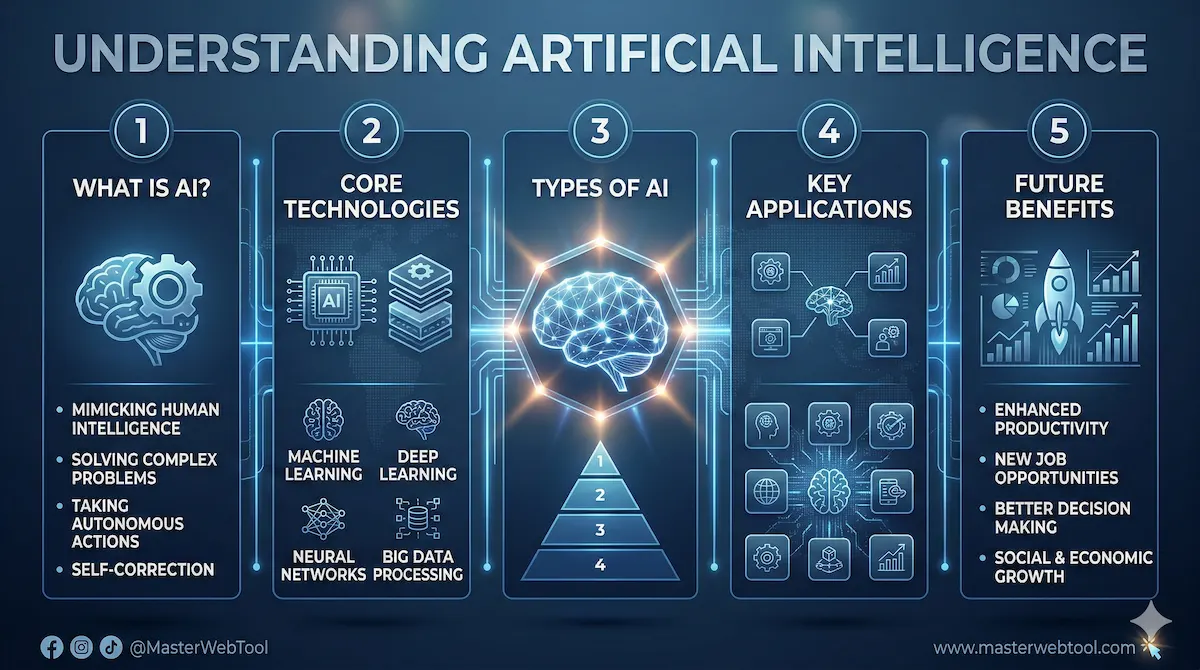
The India AI Impact Summit 2026 marks a pivotal chapter in the global technological landscape. As Artificial Intelligence (AI) matures from a buzzword into a foundational economic engine, India is emerging as a primary architect of the AI-driven world. At MasterWebTool, we analyze how this summit serves as the blueprint for India’s transition into a sovereign AI power.
Economic Goal: AI is projected to contribute 5–6% to India’s GDP by 2030.
Strategic Pillar: The “AI for All” initiative focuses on healthcare, agriculture, and education.
Hardware Link: A massive push for domestic Semiconductor Manufacturing.
Workforce: A projected 700,000+ AI professionals by the end of 2026.
1. India’s Evolution: From IT Hub to AI Sovereign
Over the last decade, India has bypassed traditional stages of development through rapid digital adoption. The summit highlights that India’s strength lies in its Data-Rich environment and Digital Public Infrastructure (DPI). Unlike the purely commercial AI growth in the West, India’s model is built on Social Impact.
2. Data & Growth Statistics (2022–2030 Projection)
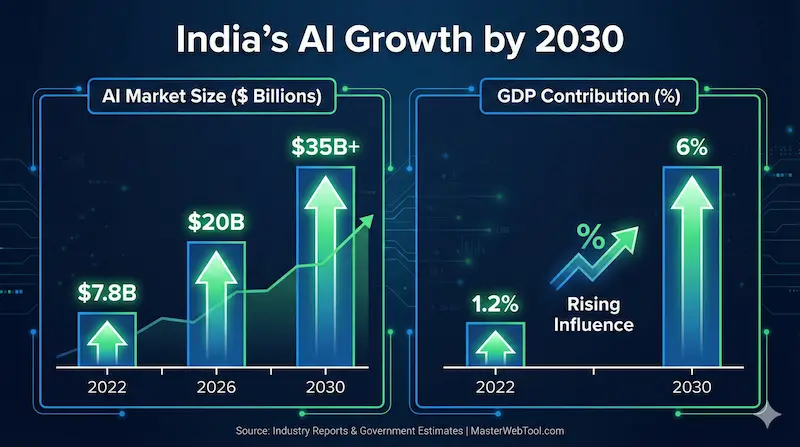
To understand the scale of transformation, we must look at the hard numbers. The growth trajectory for India’s AI market is nearly vertical, driven by enterprise adoption and government support.
The Economic Shift: India’s AI market is projected to skyrocket to $35B+, contributing a massive 6% to the national GDP by 2030.
Indicator
2022
2024
2026 (Projected)
2030 (Projected)
AI Market Size (USD Billion)
7.8
11.5
17–20
35+
AI Contribution to GDP (%)
1.2%
1.8%
2.5%
5–6%
3. Sector-Wise AI Adoption
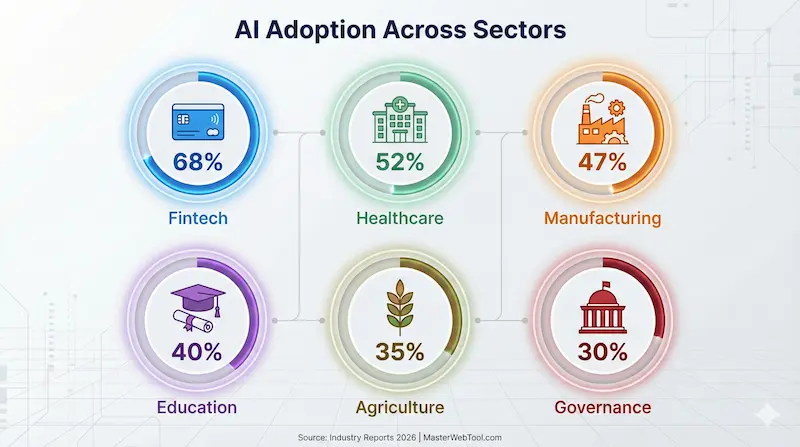
The 2026 Summit detailed how specific sectors are being disrupted by Generative AI and Predictive Analytics.
Sectoral Shift: Fintech and Healthcare are leading the AI revolution in India with over 50% adoption rates as of 2026.
Fintech (68%): Fraud detection and hyper-personalized banking are now standard.
Healthcare (52%): AI-driven early disease detection is reducing medical costs in Tier-2 cities.
Manufacturing (47%): Industry 4.0 and predictive maintenance are increasing efficiency.
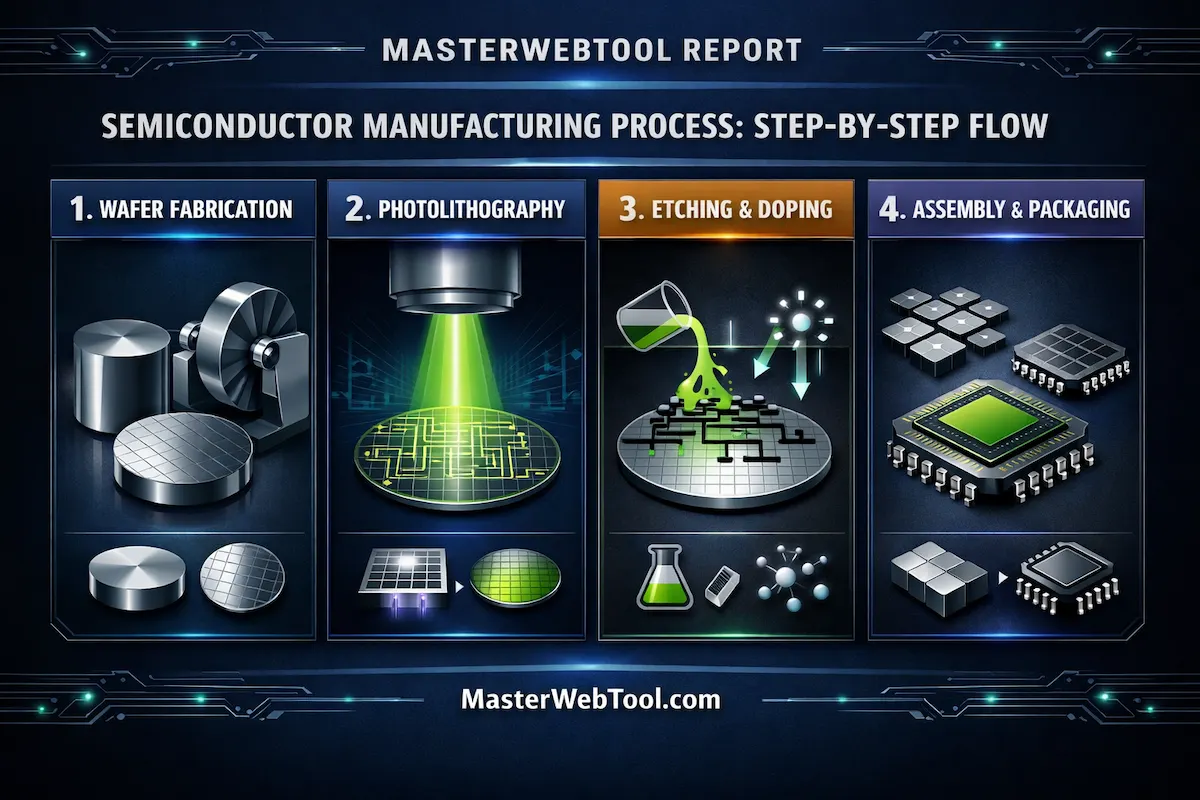
4. The Semiconductor Foundation: Powering the AI Engine
One of the most critical discussions was hardware dependency. AI requires massive computational power.
Coming Soon: Read our detailed guide on the [Semiconductor Manufacturing Process Explained] to understand how these chips are built.
5. AI Startups and Investment Landscape
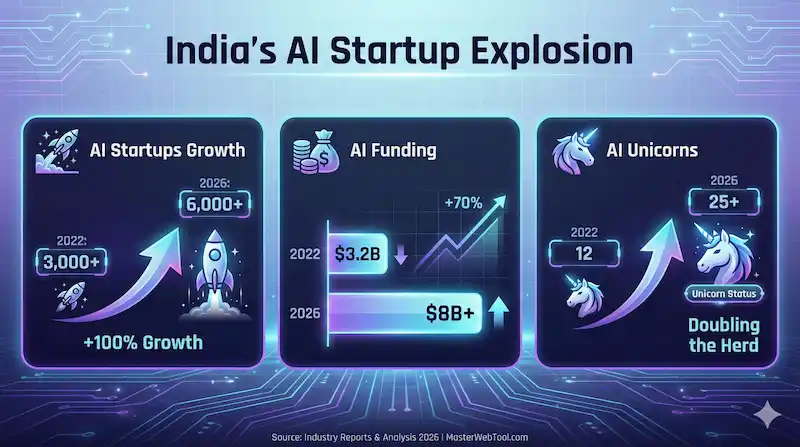
India’s AI startup ecosystem is witnessing an “Explosion.” Investor interest continues to grow as both domestic and global capital enters the market.
Investment Surge: The Indian AI startup ecosystem has reached a valuation milestone with funding growing by 70% and unicorns doubling since 2022.
The doubling of the AI Unicorn herd from 12 to 25+ within four years signals a high-trust environment for tech founders.
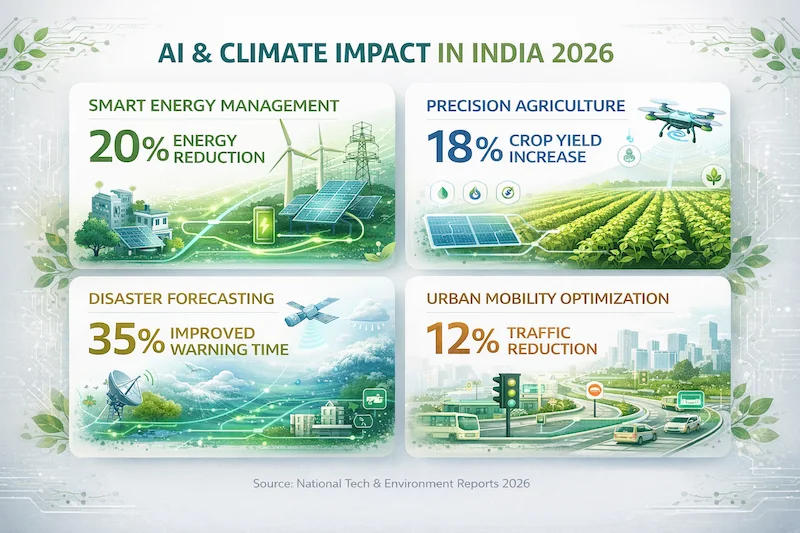
6. Sustainability and Climate Applications
AI is driving the “Eco-Tech” revolution. From smart energy management to disaster forecasting, AI-driven climate innovation aligns with global sustainability goals.
The Eco-Tech Revolution: From smart energy grids to precision agriculture, AI is driving significant improvements in India’s climate resilience.
7. Global Collaboration and Geopolitical Role
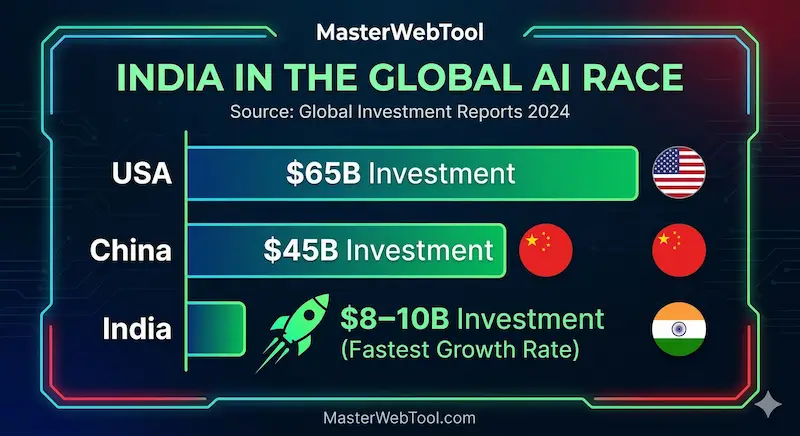
India is positioned as the “Fastest Growing Contender” in the global AI race. While the USA and China lead in total investment volume, India is rapidly closing the gap through technology alliances and sovereign research.
INDIA IN THE GLOBAL AI RACE
USA: $65B Investment (Global Leader)
China: $45B Investment (Major Contender)
India: $8–10B Investment (Fastest Growth Rate)
Generating Image 5 now…
The Growth Leader: While the USA and China lead in total investment volume, India dominates with the fastest growth rate in the global AI race.
8. Road to 2030: The Vision for 1.4 Billion People
By 2030, India aims to become a global AI talent hub, training over 20 million professionals and building indigenous LLMs (Large Language Models).
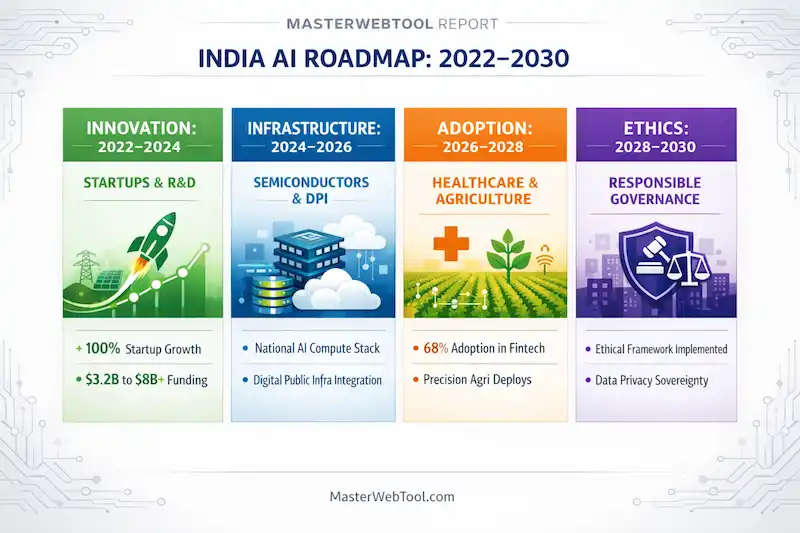
INDIA AI ROADMAP: 2022–2030
Vision 2030: Sovereign AI leader & Global talent hub.
4-Stage Process:
Innovation (Startups/R&D)
Infrastructure (Semiconductors/DPI)
Adoption (Healthcare/Agriculture)
Ethics (Responsible Governance)
Step-by-Step Evolution: India’s strategic plan to move from a startup hub to a global leader in responsible AI governance.
Conclusion: A Transformational Milestone
The India AI Impact Summit 2026 is a declaration of intent. As AI reshapes global power structures, India’s strategic investments and digital infrastructure position it as a major force in the next technological era.
Frequently Asked Questions (FAQs)
How much will AI contribute to India’s GDP? 5-6% by 2030.
Which sector has the highest AI adoption? Fintech, at 68%.
Is AI creating new jobs? Yes, particularly in engineering and cybersecurity.