1️⃣ Introduction: Why India AI Impact Summit 2026 Matters
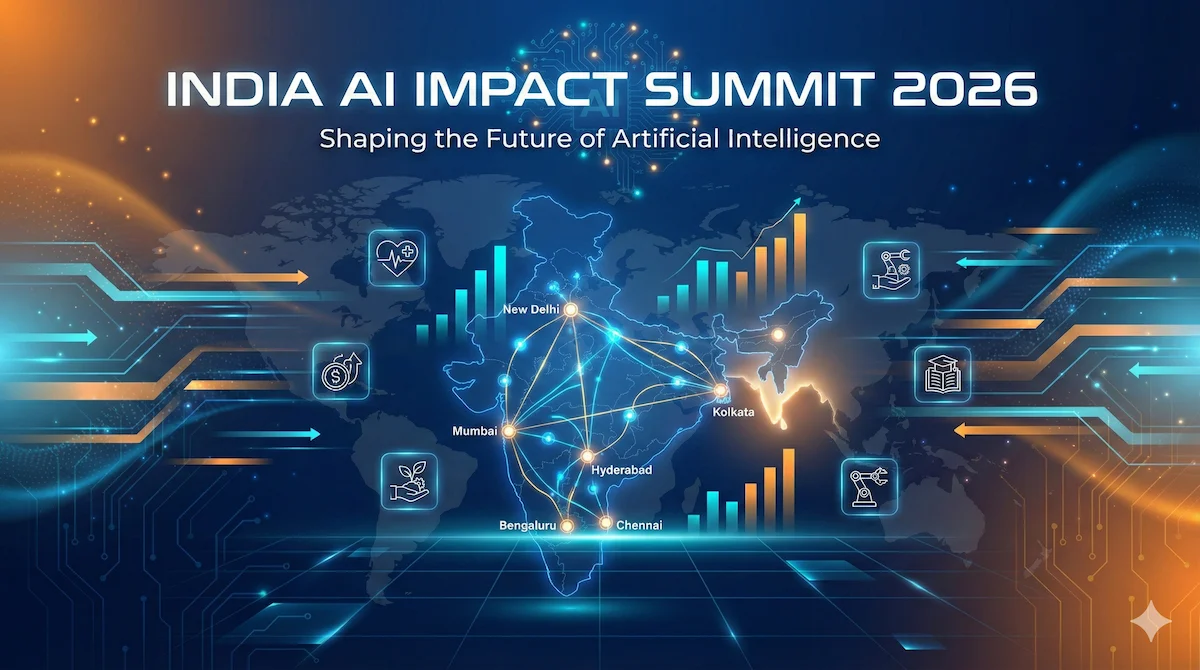
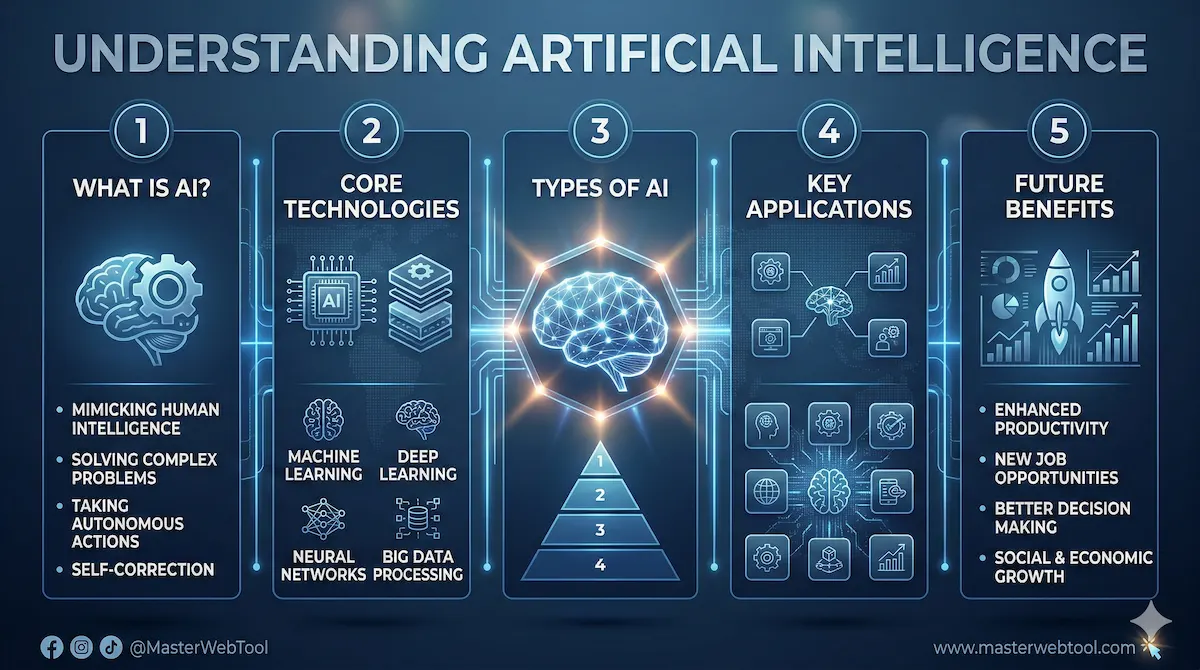
The India AI Impact Summit 2026 represents a defining moment in the global artificial intelligence ecosystem. As AI technologies reshape economies, industries, governance systems, and daily life, India is positioning itself not merely as a participant but as a strategic leader in the global AI transformation.
The summit brings together policymakers, researchers, industry leaders, startups, academic institutions, investors, and international collaborators to shape the trajectory of AI adoption in India and beyond.
In an era driven by automation, machine learning, generative AI, robotics, and predictive analytics, India’s demographic advantage, digital public infrastructure, and expanding innovation ecosystem provide a powerful foundation for AI leadership.
This summit signals a long-term national commitment to inclusive, responsible, and globally competitive AI development.
2️⃣ India’s Rise as a Global AI Power
Over the last decade, India has evolved from an IT outsourcing hub into a rapidly expanding AI innovation ecosystem.
Key growth drivers include:
- Large STEM talent pool
- Rapid digital adoption
- Strong startup ecosystem
- Government-backed digital infrastructure
- Expanding cloud and data capacity
- Rising AI research output
India now ranks among the top emerging AI ecosystems globally, particularly in startup activity and enterprise AI adoption.
Unlike purely commercial AI growth seen in some regions, India’s AI model integrates social development goals — healthcare access, agricultural optimization, digital governance, and financial inclusion.
3️⃣ Vision and Objectives of the India AI Impact Summit 2026
The summit focuses on five strategic pillars:
- Responsible AI Innovation
- AI for Inclusive Economic Growth
- Public–Private AI Partnerships
- Ethical AI Frameworks
- Global AI Cooperation
The objective is to align artificial intelligence development with national economic priorities while ensuring regulatory safeguards and ethical deployment.
4️⃣ National AI Strategy & Policy Direction
India’s AI roadmap emphasizes:
- “AI for All” approach
- Sector-specific AI missions
- Responsible AI governance
- Data sovereignty
- Innovation funding and research grants
Policy initiatives aim to:
- Create regulatory sandboxes
- Encourage domestic AI innovation
- Develop AI research hubs
- Strengthen data protection frameworks
The summit reinforces coordination between central and state governments for scalable AI deployment.
5️⃣ AI and Digital Public Infrastructure
India’s digital infrastructure provides a unique foundation for AI integration.
AI-driven systems enhance:
- Digital identity verification
- Financial fraud detection
- E-governance services
- Public grievance systems
- Social welfare targeting
This infrastructure enables AI applications to scale across a population of over 1.4 billion citizens.
6️⃣ AI Across Key Sectors
Healthcare
- Early disease detection
- Medical imaging analysis
- Drug discovery acceleration
- Telemedicine optimization
- Predictive health analytics
AI improves healthcare accessibility, especially in rural areas.
Agriculture
- Crop yield prediction
- Soil health analytics
- Climate risk modeling
- Precision irrigation
AI-driven agriculture enhances food security and farmer income stability.
Manufacturing
- Predictive maintenance
- Robotics automation
- Quality control systems
- Supply chain optimization
Industry 4.0 adoption accelerates competitiveness.
Education
- Adaptive learning systems
- AI-based tutoring
- Skill assessment analytics
- Career prediction tools
AI literacy and workforce readiness are summit priorities.
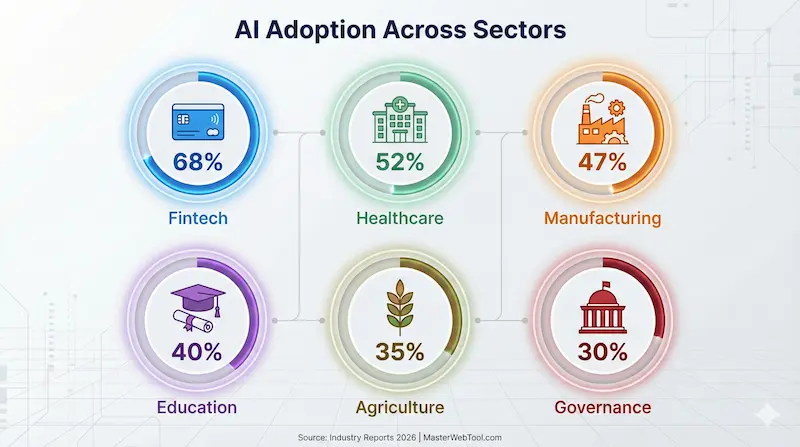
Visual Snapshot: AI Adoption Across Key Sectors

7️⃣ Data & Statistical Overview
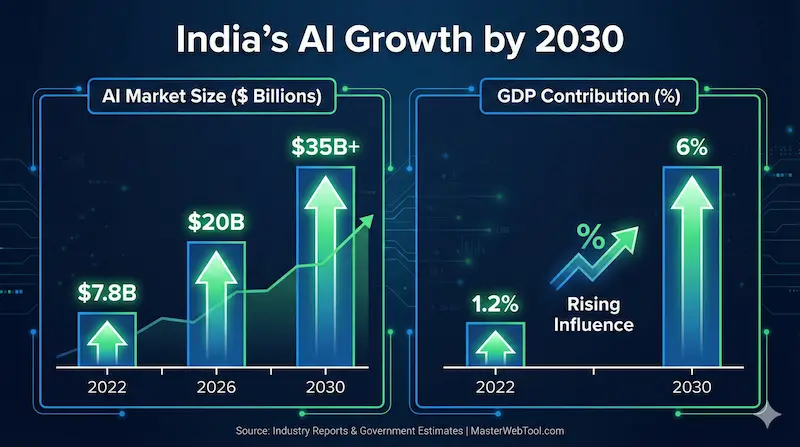
AI Market Growth Projection
| Indicator | 2022 | 2024 | 2026 (Projected) | 2030 (Projected) |
|---|---|---|---|---|
| AI Market Size (USD Billion) | 7.8 | 11.5 | 17–20 | 35+ |
| AI Contribution to GDP (%) | 1.2% | 1.8% | 2.5% | 5–6% |
| AI-related Employment (Millions) | 0.8 | 1.3 | 2.1 | 4+ |
Visual Growth Snapshot: India’s AI Expansion (2022–2030)

Sector-wise AI Adoption (2026 Projection)
| Sector | Adoption Rate (%) |
|---|---|
| Fintech | 68% |
| Healthcare | 52% |
| Manufacturing | 47% |
| Education | 40% |
| Agriculture | 35% |
| Governance | 30% |
AI Talent Statistics
| Metric | 2023 | 2026 (Projected) |
|---|---|---|
| AI Professionals | 420,000 | 700,000+ |
| AI Programs in Universities | 180+ | 350+ |
| AI Research Publications | 18,000 | 30,000+ |
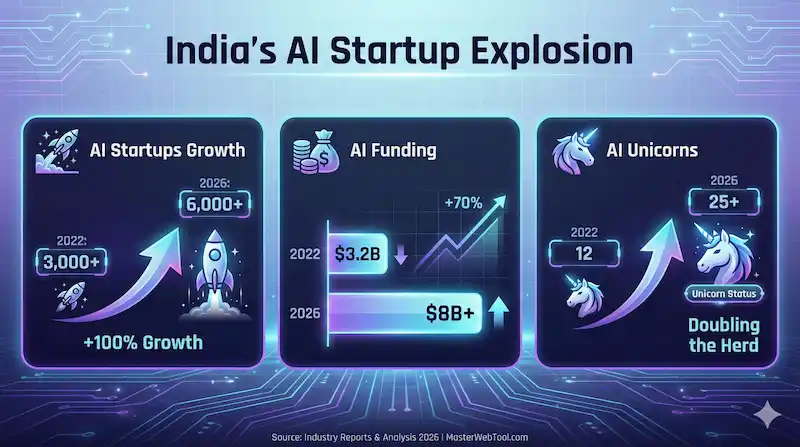
AI Startup Ecosystem
| Metric | 2022 | 2026 (Projected) |
|---|---|---|
| AI Startups | 3,000+ | 6,000+ |
| Annual AI Funding (USD Billion) | 3.2 | 8+ |
| AI Unicorns | 12 | 25+ |
Employment Impact Forecast
| Category | Jobs Affected | Jobs Created |
|---|---|---|
| Routine Clerical | -15% | — |
| AI Engineers | — | +50% |
| Data Analysts | — | +35% |
| Cybersecurity Analysts | — | +30% |
AI is expected to transform rather than eliminate employment patterns.
8️⃣ AI Startups and Investment Landscape
India’s AI startup ecosystem spans:

- Generative AI
- Fintech AI
- Health-tech AI
- Climate-tech AI
- Enterprise automation
Investor interest continues to grow, with both domestic and global capital entering the market.
9️⃣ Employment and Workforce Transformation
AI reshapes workforce demands.
Key themes include:
- Reskilling initiatives
- Hybrid human-AI collaboration
- New digital job categories
- AI certification programs
The summit emphasizes large-scale upskilling to reduce the AI talent gap.
🔟 Ethical AI and Data Governance
Responsible AI remains central to policy discussions.
Core themes:
- Algorithm transparency
- Bias mitigation
- Data privacy protection
- Accountability frameworks
- Human oversight mechanisms
India seeks to balance innovation speed with regulatory safeguards.
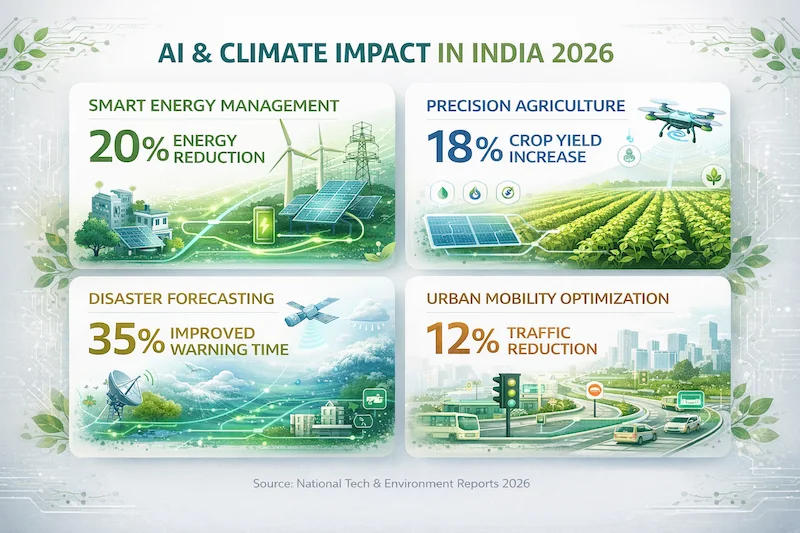
1️⃣1️⃣ Sustainability and Climate Applications
AI contributes to:
🌍 Visual Snapshot: AI & Climate Impact in India

- Smart energy management
- Carbon monitoring
- Disaster prediction
- Urban traffic optimization
- Water resource management
AI-driven climate innovation aligns with global sustainability goals.
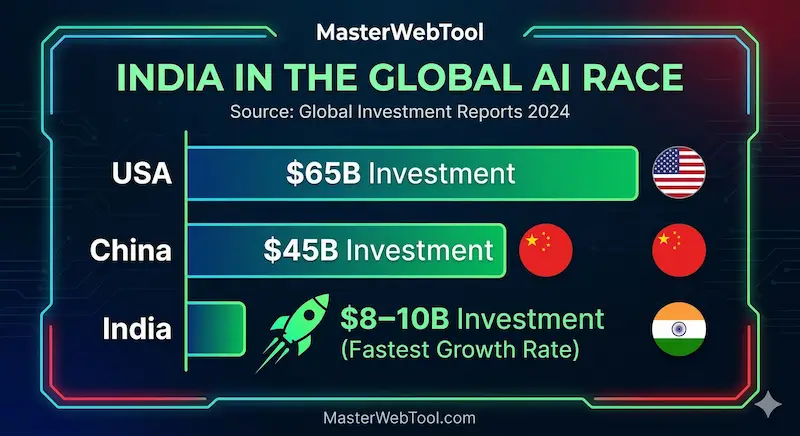
1️⃣2️⃣ Global Collaboration and Geopolitical Role
Artificial intelligence is a geopolitical asset.
India’s strategy includes:
🌏 Visual Snapshot: India in the Global AI Race

- Technology alliances
- Global research partnerships
- Participation in AI governance forums
- Cross-border innovation agreements
India aims to influence global AI standards and frameworks.
1️⃣3️⃣ Challenges Ahead
Despite rapid progress, key challenges remain:
- Infrastructure gaps
- Data quality concerns
- Skill shortages
- Ethical oversight mechanisms
- Rural digital divide
Addressing these will determine the long-term success of India’s AI strategy.
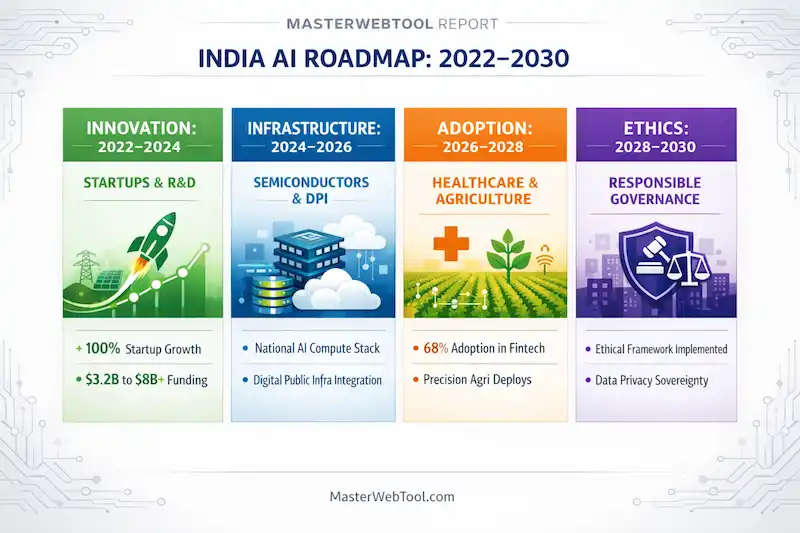
1️⃣4️⃣ Road to 2030: India’s AI Ambition
By 2030, India aims to:
- Become a global AI innovation leader
- Expand AI export services
- Build sovereign AI capabilities
- Strengthen domestic AI research institutions
- Integrate AI into core governance systems
The India AI Impact Summit 2026 serves as a milestone in that journey.

1️⃣5️⃣ Conclusion: A Transformational Milestone
The India AI Impact Summit 2026 represents more than a technology conference. It symbolizes a structured national vision to harness artificial intelligence for inclusive economic growth, social development, and global competitiveness.
As AI reshapes global power structures, India’s strategic investments, demographic strengths, and digital infrastructure position it as a major force in the next technological era.
The summit establishes a roadmap where artificial intelligence becomes not merely a technological tool but a foundational engine of national transformation.
❓ Frequently Asked Questions (FAQs) – India AI Impact Summit 2026
1. What is the India AI Impact Summit 2026?
The India AI Impact Summit 2026 is a national-level strategic conference focused on artificial intelligence innovation, policy, industry collaboration, and ethical AI governance. It brings together government leaders, technology companies, researchers, startups, and global stakeholders to shape India’s AI roadmap.
2. Why is the India AI Impact Summit 2026 important?
The summit is important because it defines India’s long-term artificial intelligence strategy. It aligns AI development with economic growth, digital governance, job creation, sustainability goals, and global technological competitiveness.
3. What are the main themes of the India AI Impact Summit 2026?
Key themes include:
- Responsible AI development
- AI for inclusive economic growth
- AI in healthcare, agriculture, and education
- Ethical AI and data governance
- Workforce reskilling
- Global AI collaboration
4. How will AI impact India’s economy by 2030?
AI is projected to contribute 5–6% to India’s GDP by 2030. It is expected to drive productivity growth across manufacturing, fintech, healthcare, and public services while creating new high-skill employment opportunities.
5. Which sectors will benefit most from AI in India?
The sectors expected to benefit most include:
- Banking and fintech
- Healthcare and biotechnology
- Manufacturing and automation
- Agriculture and rural development
- Education and skill development
- Public governance systems
6. Will AI reduce jobs in India?
AI may automate certain routine tasks; however, it is also projected to create new jobs in AI engineering, data science, cybersecurity, robotics, and digital infrastructure. The summit emphasizes workforce reskilling and hybrid human-AI collaboration.
7. What role does ethical AI play in the summit?
Ethical AI is a central theme. Discussions focus on:
- Data privacy
- Algorithm transparency
- Bias reduction
- AI accountability
- Responsible AI deployment
India aims to balance innovation with regulatory safeguards.
8. How does India compare globally in AI development?
India ranks among the top emerging AI ecosystems globally, particularly in startup growth and AI talent availability. While the United States and China lead in total investment, India is rapidly expanding its research output and sectoral AI adoption.
9. What is India’s AI vision for 2030?
India aims to:
- Become a global AI innovation hub
- Strengthen domestic AI research capabilities
- Expand AI-driven exports
- Build sovereign AI infrastructure
- Integrate AI into governance systems
10. How can students and professionals prepare for AI-driven opportunities?
Individuals can prepare by:
- Learning AI and machine learning fundamentals
- Developing data analysis skills
- Pursuing AI-related certifications
- Understanding AI ethics and policy
- Participating in research and innovation programs