Introduction to Bharat-Vistaar and AI Tool ‘Bharati’
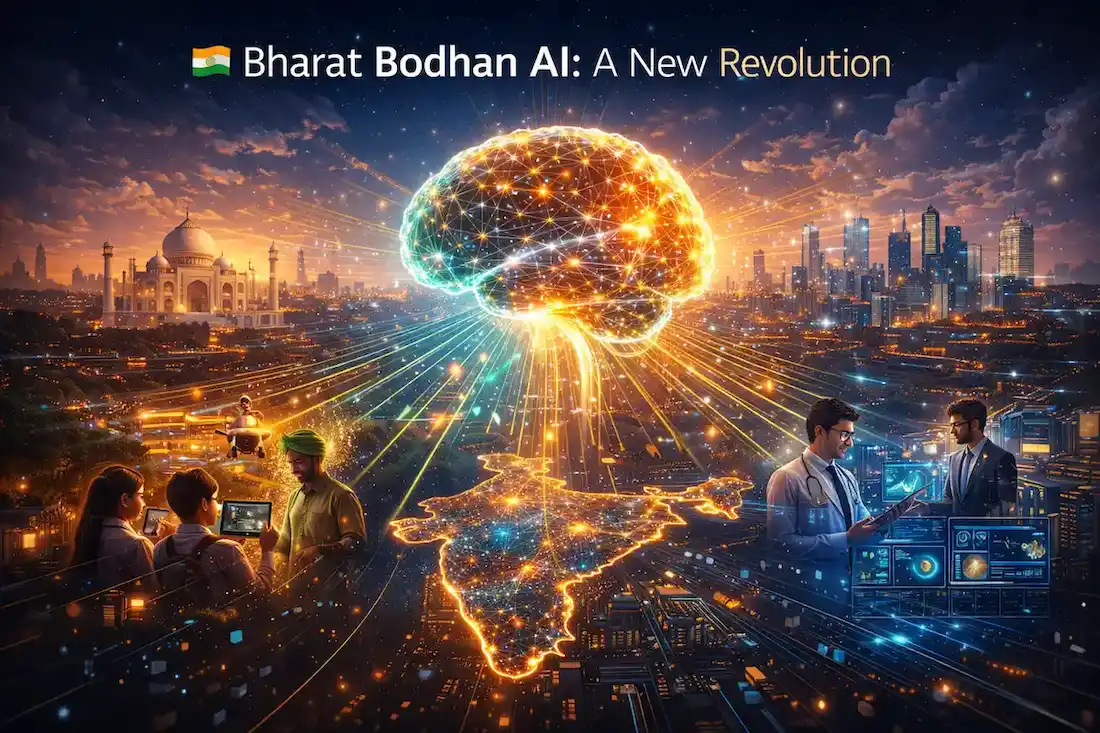
Bharat-Vistaar is an innovative platform aimed at transforming the agricultural landscape in India through advanced technology. Central to this initiative is the AI tool named ‘Bharati’, developed to assist farmers in optimizing their farming practices. With its foundation firmly rooted in artificial intelligence (AI), Bharat-Vistaar seeks to enhance productivity, improve crop yield, and tailor agricultural advice to individual farmers’ needs.
One of the pivotal challenges facing modern agriculture is the need for data-driven insights that can lead to informed decision-making. Bharat-Vistaar addresses this need by integrating AI capabilities into everyday farming operations. The platform provides real-time data analysis, weather forecasting, soil health assessments, and pest management solutions. These features enable farmers to adopt smarter, evidence-based practices to maximize their output while minimizing resource wastage.
The ‘Bharati’ tool is designed not only to analyze data but to offer actionable recommendations personalized for different crops and farming conditions. By leveraging vast amounts of agricultural data, the tool can predict optimal planting times, suggest appropriate fertilizers, and identify potential pest infestations. This level of personalization is particularly crucial for farmers to tackle specific challenges within their unique environments.
Furthermore, Bharat-Vistaar recognizes the importance of collaboration and knowledge sharing in agriculture. Through its platform, farmers can connect with agricultural experts, join community forums, and access a wealth of resources tailored to their needs. This features not only supports individual farmers but also fosters a collective advancement in agricultural practices across the sector.
In summary, Bharat-Vistaar and the AI tool ‘Bharati’ represent a significant step forward in modernizing agriculture in India. By harnessing the potential of AI, this initiative aims to empower farmers, boost productivity, and support sustainable agricultural practices that benefit the entire farming community.
The Need for Technology in Agriculture
Today, agriculture faces numerous challenges that threaten the livelihood of farmers and the sustainability of food production. Among these challenges, climate change stands out as a significant factor altering weather patterns and affecting crop yields. Farmers now contend with unpredictable rainfall, extreme temperatures, and increased frequency of droughts and floods, which can devastate crops and reduce overall agricultural productivity.
Soil degradation is another pressing issue impacting agricultural practices. Overuse of chemical fertilizers, pesticides, and monoculture farming has led to soil nutrient depletion and erosion. Farmers are struggling to maintain soil health, which is crucial for growing healthy crops, thus necessitating a shift towards sustainable farming practices. Integrating technology offers a path for farmers to monitor and manage soil conditions more effectively, ensuring better crop yields.
Market access remains a barrier for many farmers, especially those in remote areas. Traditional supply chains can be inefficient and costly, limiting farmers’ ability to sell their produce at fair prices. Technology can bridge this gap by creating more direct and efficient market channels. With advancements in digital platforms, farmers can now connect with buyers more easily, gaining insights into market demands and fair pricing, thereby enhancing their economic viability.
The introduction of AI tools like “Bharati” has the potential to address these challenges head-on. By providing farmers with actionable insights based on data analysis, Bharati can offer solutions tailored to individual farm conditions, making farming practices more efficient and sustainable. The integration of these innovations not only benefits farmers but also contributes to the overall resilience of the agricultural sector in the face of growing environmental and economic pressures.
Features of the AI Tool ‘Bharati’
The AI tool ‘Bharati’ offers an innovative suite of features designed to empower farmers in their agricultural practices. One of the standout functionalities is soil analysis. This feature allows farmers to receive detailed insights into soil health, including nutrient levels and pH balance, which are critical for optimizing crop yields. By understanding the specific requirements of their soil, farmers can make informed decisions about fertilization and crop selection, ensuring they nurture their land to its fullest potential.
Another essential feature is weather forecasting. With weather patterns increasingly unpredictable, farmers require accurate and timely information to plan their activities. ‘Bharati’ provides localized weather updates, warning farmers of upcoming storms, drought conditions, or frosts, thereby enabling them to take necessary precautions. This proactive approach helps safeguard crops and minimizes potential losses associated with adverse weather events.
Pest and disease identification is another integral aspect of the tool. Farmers can input descriptions or images of plant symptoms, and ‘Bharati’ utilizes advanced machine learning algorithms to identify potential threats. By receiving early alerts regarding pests or diseases, farmers can implement preventative measures or treatments swiftly, ultimately saving their crops and reducing reliance on pesticides.
Moreover, ‘Bharati’ offers comprehensive crop management advice tailored to the farmer’s specific context, including recommendations for planting times, irrigation practices, and pest control strategies. This personalized guidance elevates the decision-making process, enhancing productivity while minimizing environmental impact. Additionally, the tool provides real-time market price updates, which empower farmers to make strategic selling decisions, maximizing their profits.
In summary, ‘Bharati’ encompasses a wide array of features that collectively support farmers through data-driven insights and actionable recommendations, revolutionizing traditional practices and paving the way toward a more sustainable future in agriculture.
How ‘Bharati’ Works: A Step-by-Step Guide
The ‘Bharati’ tool has been designed with user-friendliness in mind, providing farmers with an intuitive interface that requires minimal technical expertise. The first step for farmers is to access the platform, which can be done via a dedicated mobile application or through a web portal. Once the application is downloaded or the website is visited, users will need to create an account. This process is straightforward, requiring basic information such as name, mobile number, and location, which allows ‘Bharati’ to provide localized agricultural data.
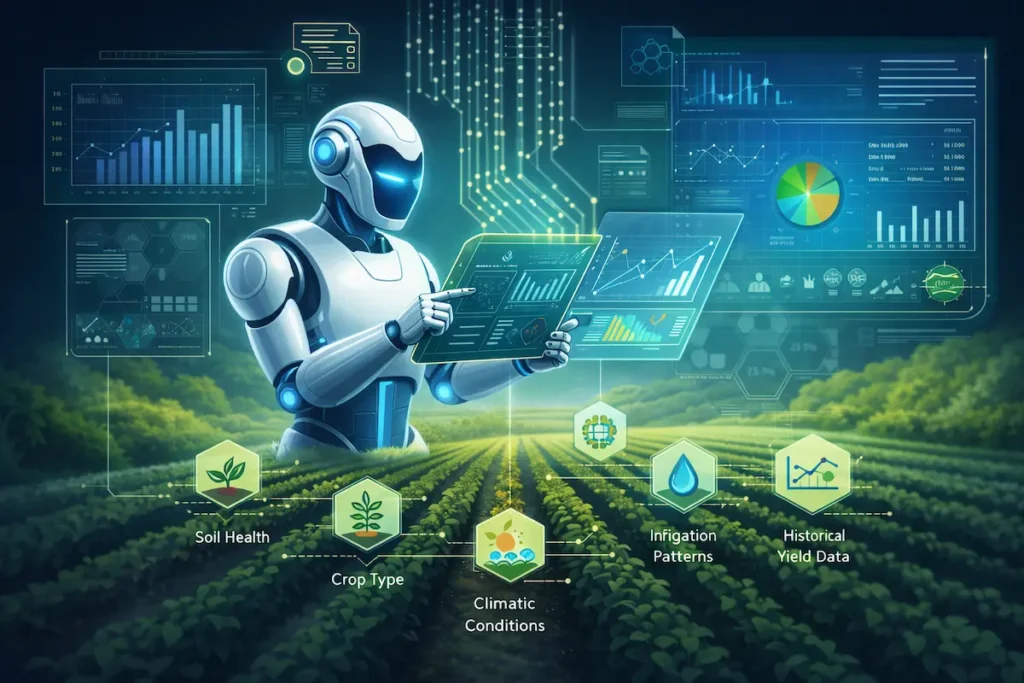
Bharati uses AI-driven analytics to deliver personalized farming insights based on soil, crop, climate, and irrigation data.
After successfully creating an account, farmers are welcomed with a simple dashboard that presents various features. To utilize the full potential of ‘Bharati’, users are encouraged to input specific data related to their farming practices. This data includes information about the type of crops being cultivated, the size of the farm, and environmental conditions like soil type and weather patterns. This step is crucial as it enables ‘Bharati’ to generate personalized insights and recommendations tailored to individual farming scenarios.
Once the data is inputted, ‘Bharati’ processes the information using advanced AI algorithms. Farmers will then receive outputs including crop management tips, disease and pest alerts, optimized sowing and harvesting times, and even market price predictions for their crops. The outputs are presented in a clear and concise manner, often accompanied by visual aids such as charts or graphs, making the information easy to understand. Furthermore, regular updates and notifications keep farmers informed about changing conditions and emerging threats, ensuring they can adapt their practices accordingly.
In conclusion, with ‘Bharati’, farmers have a powerful tool at their fingertips, revolutionizing their approach to farming with data-driven insights that enhance productivity and sustainability.
Benefits of Using ‘Bharati’ for Farmers
The advent of AI technology in agriculture has set the stage for tools like ‘Bharati’ to profoundly transform farming practices. One significant benefit of using ‘Bharati’ is the enhancement of productivity across farms of all sizes. By leveraging precise data analytics, the tool provides farmers with tailored insights into crop health, soil conditions, and weather forecasts, enabling them to make informed decisions that directly increase yields.
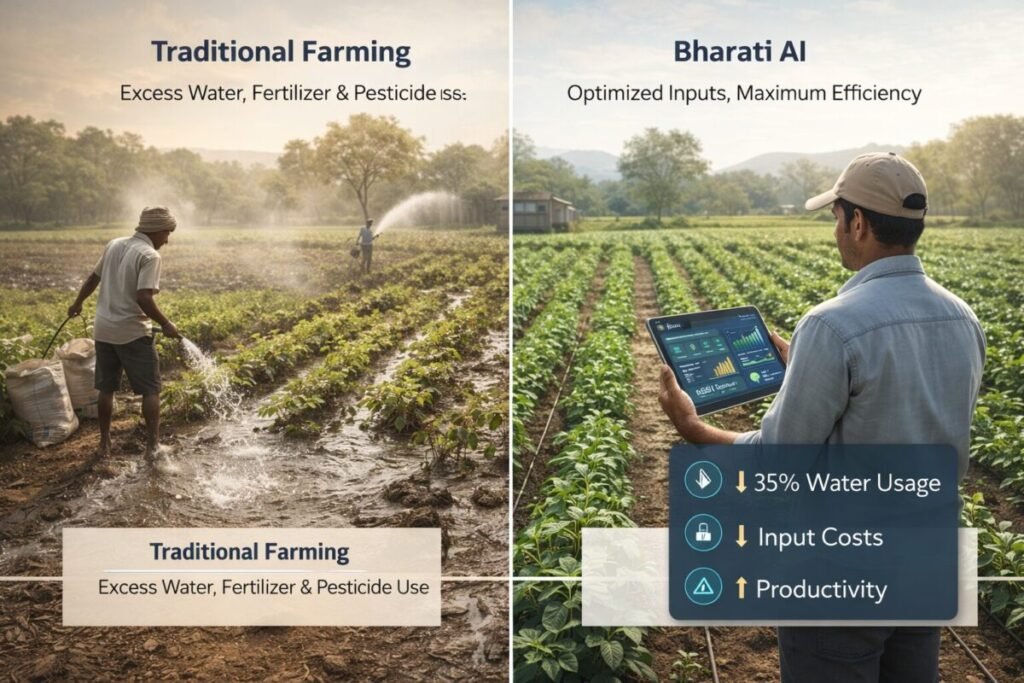
Cost savings is another impactful advantage associated with the adoption of ‘Bharati’. Traditional farming practices often lead to wastage of resources, be it water, fertilizers, or pesticides. In contrast, ‘Bharati’ uses predictive algorithms to suggest optimal input quantities and times, thus minimizing overspending and maximizing efficiency. These significant cost reductions can lead to improved profit margins for farmers.
Traditional farming often leads to resource wastage, while Bharati AI enables optimized inputs, reduced water usage, lower costs, and higher productivity.
Moreover, ‘Bharati’ plays a pivotal role in knowledge enhancement for farmers. The platform affords users access to vast knowledge databases, providing practical solutions for everyday farming challenges. Farmers can stay updated on the latest agricultural techniques, pest management strategies, and sustainable practices, thus honing their skills and increasing their operational efficiency.
Sustainability is a central theme in modern agriculture, and ‘Bharati’ aligns perfectly with this goal. The AI tool promotes eco-friendly farming practices through precise recommendations, minimizing environmental impact while maximizing food production. Early adopters of ‘Bharati’ have reported remarkable improvements, not only in their crop yields but also in their ability to maintain environmentally responsible farming standards.
In conclusion, the multifaceted benefits that ‘Bharati’ offers to farmers – from productivity gains and reduced operational costs to enhanced knowledge and sustainable farming practices – underscore its potential to revolutionize the agricultural landscape. Testimonials from early users highlight these advantages, emphasizing the tool’s transformative impact on their farming operations.
Case Studies: Success Stories with ‘Bharati’
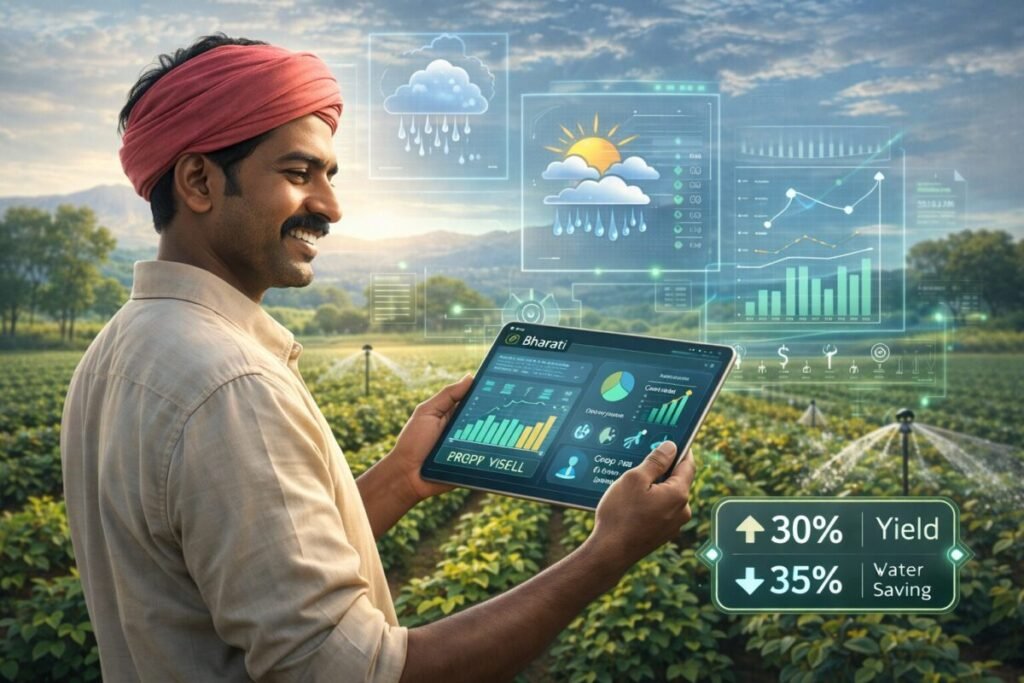
Farmers across regions have started integrating ‘Bharati’, an AI tool developed under the Bharat-Vistaar initiative, into their agricultural practices, resulting in remarkable improvements in productivity and resource management. One such success story comes from Rajesh Kumar, a smallholder farmer in Punjab. Initially grappling with unpredictable weather patterns that adversely affected his crop yield, Rajesh turned to ‘Bharati’ for guidance. By leveraging the tool’s data analytics capabilities, he was able to anticipate weather changes and optimize irrigation schedules. As a result, his annual crop yield increased by over 30%, alongside a significant reduction in water usage.
Using Bharati’s AI-powered analytics, the farmer optimized irrigation schedules and achieved 30% higher yield with 35% lower water usage.
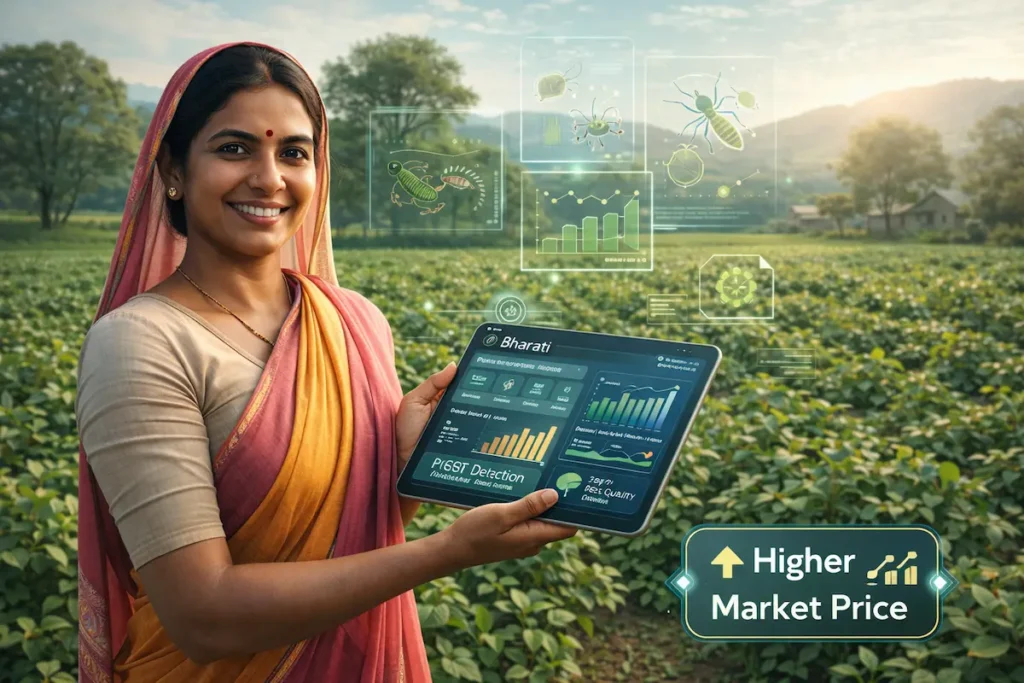
Similarly, Lakshmi Devi, a rice farmer from West Bengal, faced challenges due to pest invasions that regularly decreased her harvest. After adopting ‘Bharati’, she accessed real-time data on pest trends and effective pest management strategies tailored to her local environment. Armed with this information, Lakshmi implemented targeted interventions that led to a substantial decline in pest damage, enhancing her crop quality and, in turn, her market price. This not only improved her financial stability but also empowered her community by serving as an exemplar of effective pest management.
By leveraging Bharati’s AI-driven pest analytics, Lakshmi reduced crop damage, enhanced quality, and achieved higher market prices.
Moreover, in the hilly regions of Uttarakhand, Mahendra Singh utilized ‘Bharati’ to adapt crop choices based on soil health assessments. The AI tool provided insights into the most suitable crops for his land conditions, enabling him to diversify his farming operations. This strategic shift not only improved his income but also increased the resilience of his farming ecosystem. These real-life examples embody how ‘Bharati’ is transforming the agricultural landscape, helping farmers overcome traditional challenges through informed decision-making.
Future of Agriculture with AI Integration
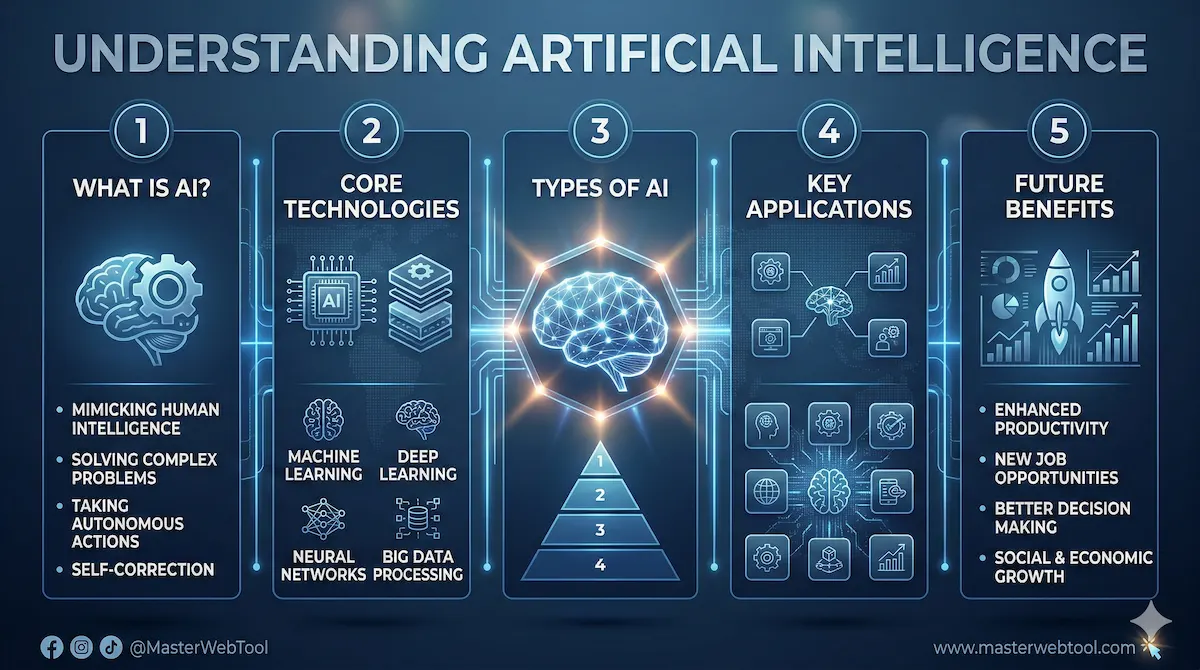
The advent of artificial intelligence (AI) in agriculture marks a transformative shift in how farmers manage their operations and enhance productivity. Tools like ‘Bharati’ are leading this revolution by enabling farmers to leverage data-driven insights and advanced analytics, fostering informed decision-making. The integration of AI across various agricultural practices is set to redefine traditional farming methods and establish new paradigms for success.
One of the most significant advancements expected in the future of agriculture includes the deployment of AI-based sensors and drones. These innovations will allow for real-time monitoring of crop health, soil conditions, and environmental parameters, providing essential data that can be analyzed to optimize resources efficiently. Moreover, incoming features of AI tools will likely encompass predictive analytics, which will empower farmers to anticipate market demand and crop yields with remarkable accuracy.
Sustainable farming practices will also gain traction through the use of AI. By analyzing large datasets, AI tools can identify the best times for planting and harvesting, minimizing waste and maximizing yield. Consequently, this leads to reduced environmental impact, as farmers can utilize inputs such as water and fertilizers more judiciously, promoting ecological balance.
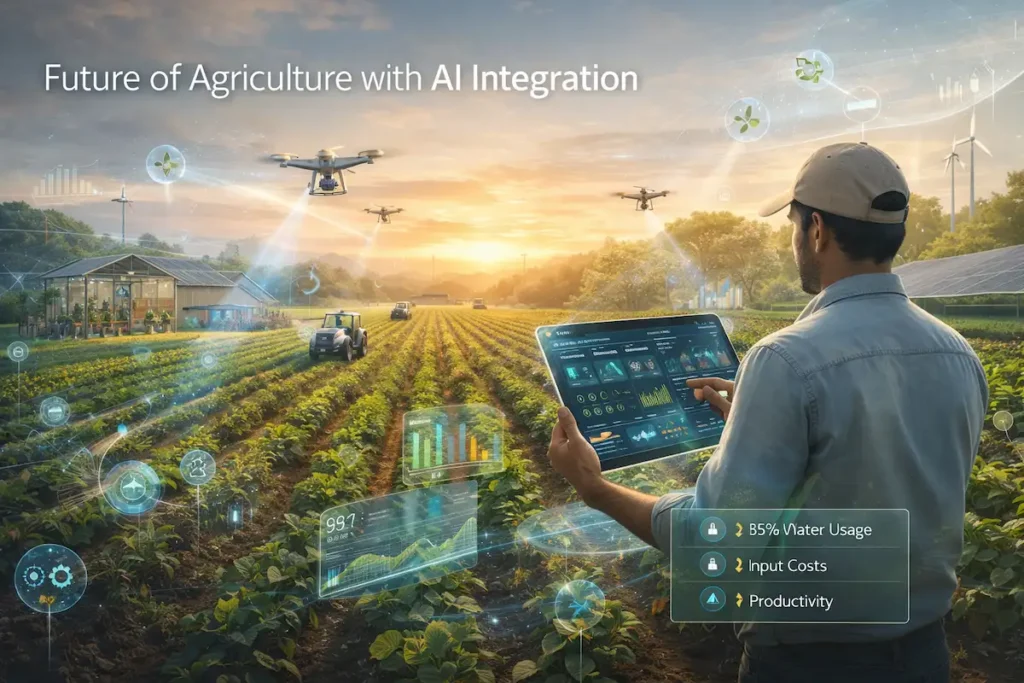
As the agricultural sector continues to embrace technological innovations, AI integration will undoubtedly become a cornerstone of modern farming. The goal is not only to enhance productivity but also to promote sustainable practices that safeguard natural resources for future generations. Given the ongoing development of intelligent farming tools like ‘Bharati’, the future for farmers appears promising, filled with opportunities for growth, efficiency, and sustainability.
The future of agriculture powered by AI integration, predictive analytics, automation, and sustainable smart farming technologies.
The implementation of the AI tool ‘Bharati’ in farming represents a significant leap forward in agricultural technology. However, it is crucial to acknowledge that alongside the potential benefits, there are several challenges and limitations that can affect its effectiveness and accessibility. One of the primary concerns is access to technology. In many rural areas, ownership of smartphones and computers may be limited, which can hinder farmers’ ability to engage fully with the tool. This lack of access could exacerbate existing inequalities in agricultural productivity and income among farmers depending on their technological resources.
Moreover, internet connectivity remains a substantial barrier for many rural communities. High-speed internet is necessary for the continuous use of ‘Bharati’, but in remote areas, internet service may be unreliable or unavailable altogether. This limitation restricts access to real-time data and guidance that ‘Bharati’ provides, resulting in farmers being unable to utilize this innovative tool effectively.
Additionally, the successful integration of ‘Bharati’ into everyday farming practices necessitates ongoing training and support. Farmers may require assistance in understanding how to utilize the tool, interpret the data provided, and apply insights to their farming methods. Without adequate training programs, the anticipated benefits of ‘Bharati’ may not be realized, leading to disillusionment among farmers who may not feel equipped to fully capitalize on the AI’s capabilities.
Finally, the reliance on AI tools like ‘Bharati’ can also pose challenges in terms of trust and acceptance. Farmers may be skeptical about relying on technology for decision-making, especially in traditional practices ingrained over generations. Therefore, addressing these concerns through education, community engagement, and the provision of comprehensive support systems will be essential for the successful adoption of ‘Bharati’ in farming.
Conclusion and Call to Action
The integration of AI tools like ‘Bharati’ signifies a pivotal shift in modern agriculture, addressing some of the longest-standing challenges faced by farmers. As the agricultural sector contends with issues such as climate change, fluctuating markets, and resource constraints, the adoption of advanced technologies is not just beneficial; it is essential for survival and growth. ‘Bharati’ stands out by empowering farmers with data-driven insights, predicting crop performance, and advising on best practices tailored to individual needs.
By harnessing the capabilities of AI, farmers can optimize their output while using resources more sustainably. This tool supports precision farming methodologies, enabling users to make informed decisions regarding planting schedules, irrigation needs, and pest management efforts. Furthermore, ‘Bharati’ plays a crucial role in enhancing food security by maximizing yield potential and reducing waste, thereby contributing to the overall efficiency of agricultural operations.
The role of technology in agriculture should not be underestimated. Stakeholders, including farmers, agronomists, and policy-makers, are encouraged to explore the immense potential AI holds for revolutionizing farming practices. Embracing tools like ‘Bharati’ can lead to greater financial viability for farms, while simultaneously promoting environmental stewardship. The future of farming will inevitably lean on innovation, and early adopters of technology will likely set new benchmarks for success in the agricultural landscape.
In light of these considerations, the call to action is clear: it is time for the agricultural community to take decisive steps towards incorporating AI-driven tools into their operations. By doing so, farmers not only enhance their productivity but also contribute to a more sustainable and resilient agricultural sector.