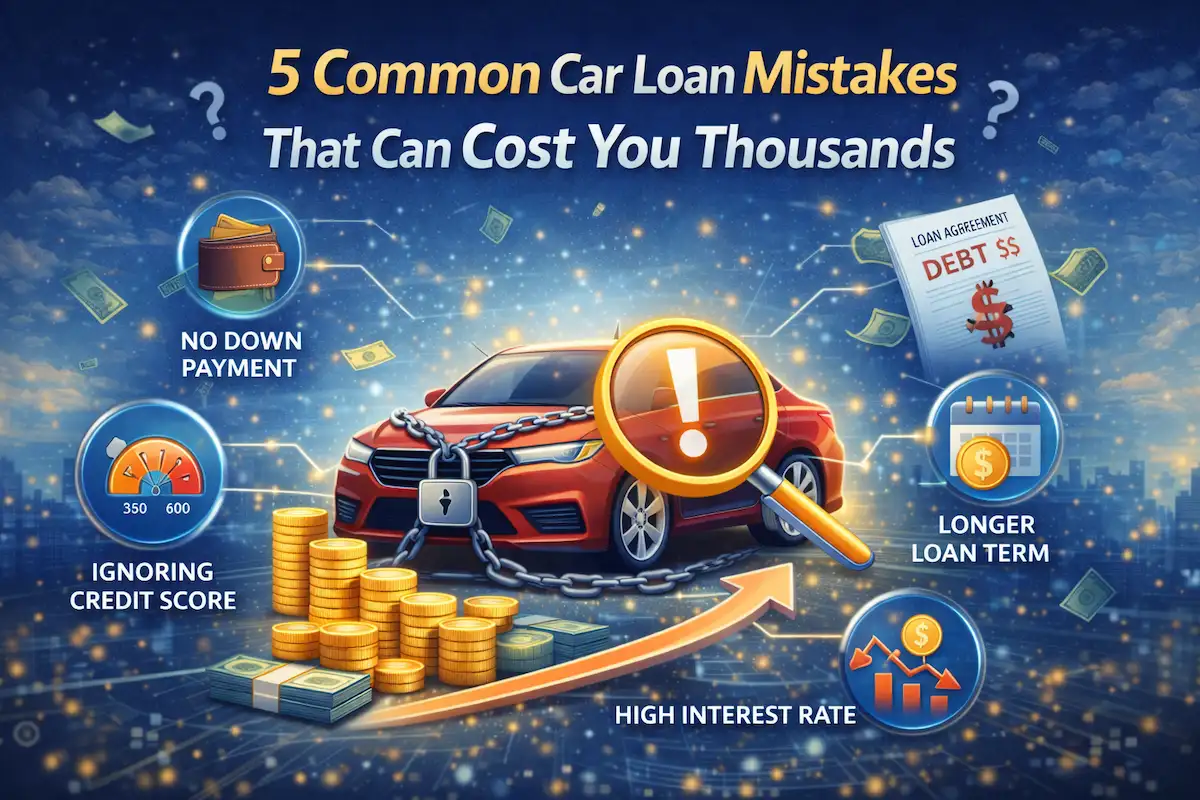
Getting the keys to a new car is an exciting moment, but for most people, it comes with a long-term financial commitment: the Car Loan. While dealerships make it look easy, many buyers fall into traps that result in paying much more than the car is worth.
1. Focusing Only on the Monthly EMI
Dealerships often ask, “How much can you afford per month?” This is a trap. By extending your loan tenure to 7 or 8 years, they can make a expensive car look affordable, but you end up paying a massive amount in interest. Always look at the Total Cost of the Loan, not just the monthly payment.
2. Making a Very Small Down Payment
“Zero down payment” sounds attractive, but it’s dangerous. Cars depreciate (lose value) the moment you drive them off the lot. If you don’t pay enough upfront, you might end up “underwater”—meaning you owe the bank more than the car’s current market value.
Check the total interest you will pay for different tenures!
📊 Calculate Your Car Loan EMI3. Ignoring Your Credit Score
Your credit score determines your interest rate. Even a 1% or 2% difference in the interest rate can save you hundreds of dollars over the years. Before visiting a dealer, check your score and see if you qualify for better rates at your local bank or credit union first.
4. Falling for Long-Term Loans
A 72-month or 84-month loan might lower your EMI, but you will likely be bored of the car or need major repairs long before the loan is paid off. Financial experts recommend a maximum tenure of 48 to 60 months for vehicles.
5. Buying Expensive Add-ons with the Loan
Extended warranties, paint protection, and gap insurance are often bundled into your loan at the dealership. Since these are added to the loan principal, you are effectively paying interest on these services for years. If you need them, try to pay for them separately in cash.
Conclusion
A car is a tool, not an investment. By avoiding these common mistakes and calculating your affordability beforehand, you can enjoy your ride without the stress of bad debt. Always shop around for the best interest rates before stepping into a showroom.
Frequently Asked Questions (FAQs)
1. What is a good interest rate for a car loan?
Interest rates vary based on your credit score and the economy. Usually, anything below 5-7% is considered good, but always compare rates from at least three different lenders.
2. Should I choose a fixed or floating interest rate?
For car loans, fixed rates are most common as they provide certainty in your monthly budget. Floating rates are rarer but can be beneficial if interest rates are expected to fall.